
Business events
Pitch sessions with parallel tracks: comparing projects consistently
When projects are defended at the same time, participants receive different time and disparate feedback, setting up a single rule and a common ending.
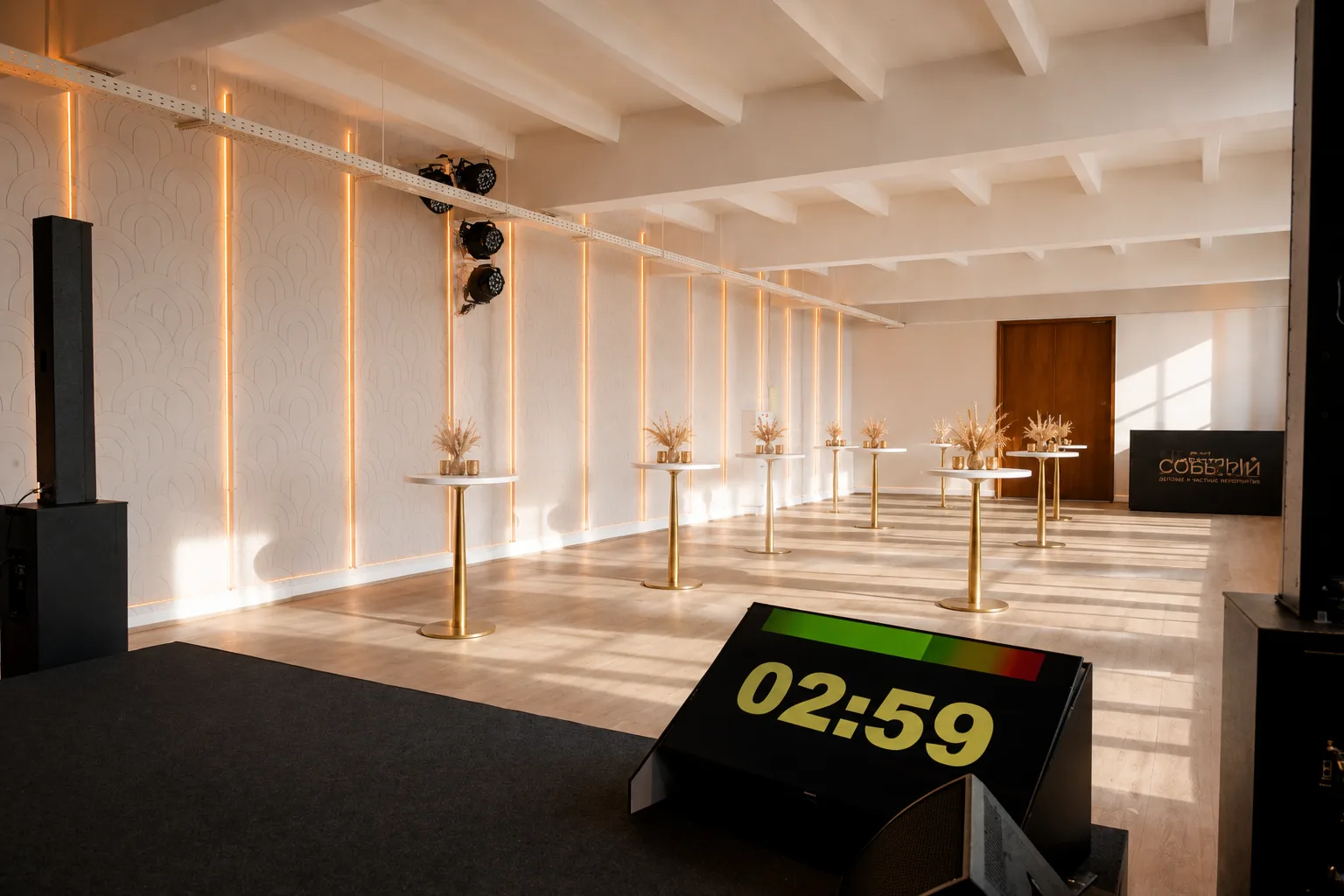
A multi-track pitch session saves time, but it creates a new problem: projects are presented to different panels of judges, receive different numbers of questions, and are compared according to different criteria. If the finals are collected only by an average score, the result looks accurate, although the terms of defense were different.
The organizer needs a single contour: the same rules, the same scale of evaluation, clear rules for moving projects to the finals and a technical procedure for collecting results. Space helps to separate flows, but justice does not create the number of halls, but the same work of each track.
Divide projects according to logic, not equally.
First, determine which projects are actually comparable. Tracks can vary by readiness stage, industry, audience or type of outcome. Simply dividing the list into equal parts makes it easier to schedule, but forces the jury to match the disparate.
For each track, formulate a single selection task, for example, early ideas are judged by the clarity of the problem and the testability of the hypothesis, and mature solutions are judged by the readiness to implement, this is a conditional example of a structure, not a universal model of competition.
Create a single evaluation list
The criteria should describe the observed result, not the overall impression. Before the event, calibrate the jury in one test performance.
| Criteria | What the jury checks | A comment is mandatory if |
|---|---|---|
| Problem. | It is clear to whom and what is changing. | Extreme assessment |
| Decision | There is a connection with the stated problem | Logic is not obvious. |
| Evidence | Facts and assumptions separated | Data is not enough |
| Implementation | Resources and Limitations Named | There is a critical risk. |
| Next step. | I understand the next check. | The project goes on |
Don't overload the sheet with dozens of fields. The more complex the form, the more often the judges fill it out after a few performances from memory. Assign a track secretary who checks the completeness but doesn't change the grades.
Set the same rules.
The speaking time, the warning signal, the block of questions and the pause between the projects should be the same in all halls. Separately describe what happens when the technical delay: does the timer stop, is it re-started, and who makes the decision.
Speakers deliver presentations in advance using a single file name template, each track must have a local set of materials and a person who opens the next file. The hope of connecting a personal laptop at the time of release makes the regulations dependent on adapters and settings.
Spread the streams on the floors.
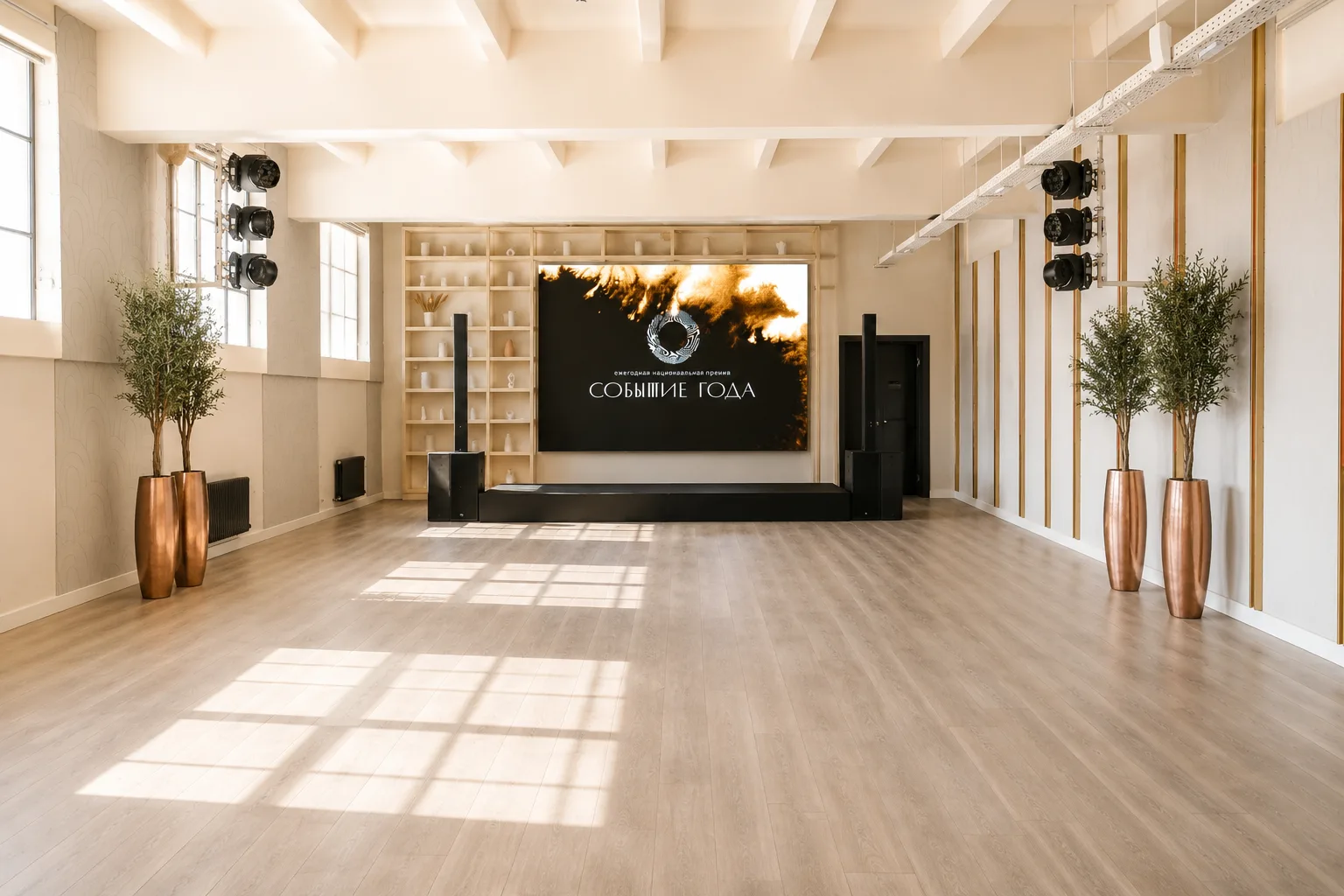
In Culture Palace, the main hall with an area of 420 m² receives up to 500 conference participants in the theatre-style seating and up to 300 guests of the banquet. The second floor hall occupies 160 m² and has its own foyer of 135 m², the third floor hall is 320 m². The total figure of up to 1,000 guests belongs to several halls and parallel streams.
In allocating tracks, consider the number of spectators, the format of the questions, the jury table and the place to wait for the next speaker. Don't assign space only by area. For each hall, confirm seating and aisles for a specific program.
Collect the overall ending without an arithmetic trap
If the jury compositions are different, the average scores of the tracks may have different rigours. Before the final, make a short calibration: the track representatives show the range of ratings, explain the boundary decisions and confirm that the mandatory fields are filled.
On the common stage, don't repeat the whole day, the finalist can be given one clarifying question or a short summary, and the jury can give a predetermined order of decision with equality, and the participants need to know what part of the final score has already been recorded and what is being formed in the final.
Check the entire path of the project
- Accept the file and assign the project track and number.
- Conduct a test performance with a timer and signals.
- Walk the speaker's route from registration to the waiting room.
- Send a test score and check the collection of the table.
- Combine the results of the two tracks and find the missed fields.
- Rehearse the announcement of the finalists and give feedback.
When calculating, compare the format with the possibilities conference roomorganization multithreaded forum configurations Culture PalaceA strong pitch session gives each project equal rules, the jury a verifiable basis for the decision, and the audience a clear route between the tracks and the overall finale.
We'll discuss your event.
The date, the number of guests and the program will help to choose the configuration of the site and prepare the calculation.
Contact the Culture Palace team