
Forums
Networking at a business forum: planning productive breaks
A free coffee break does not guarantee useful acquaintances, showing how to connect sections, communication zones and a clear next step.
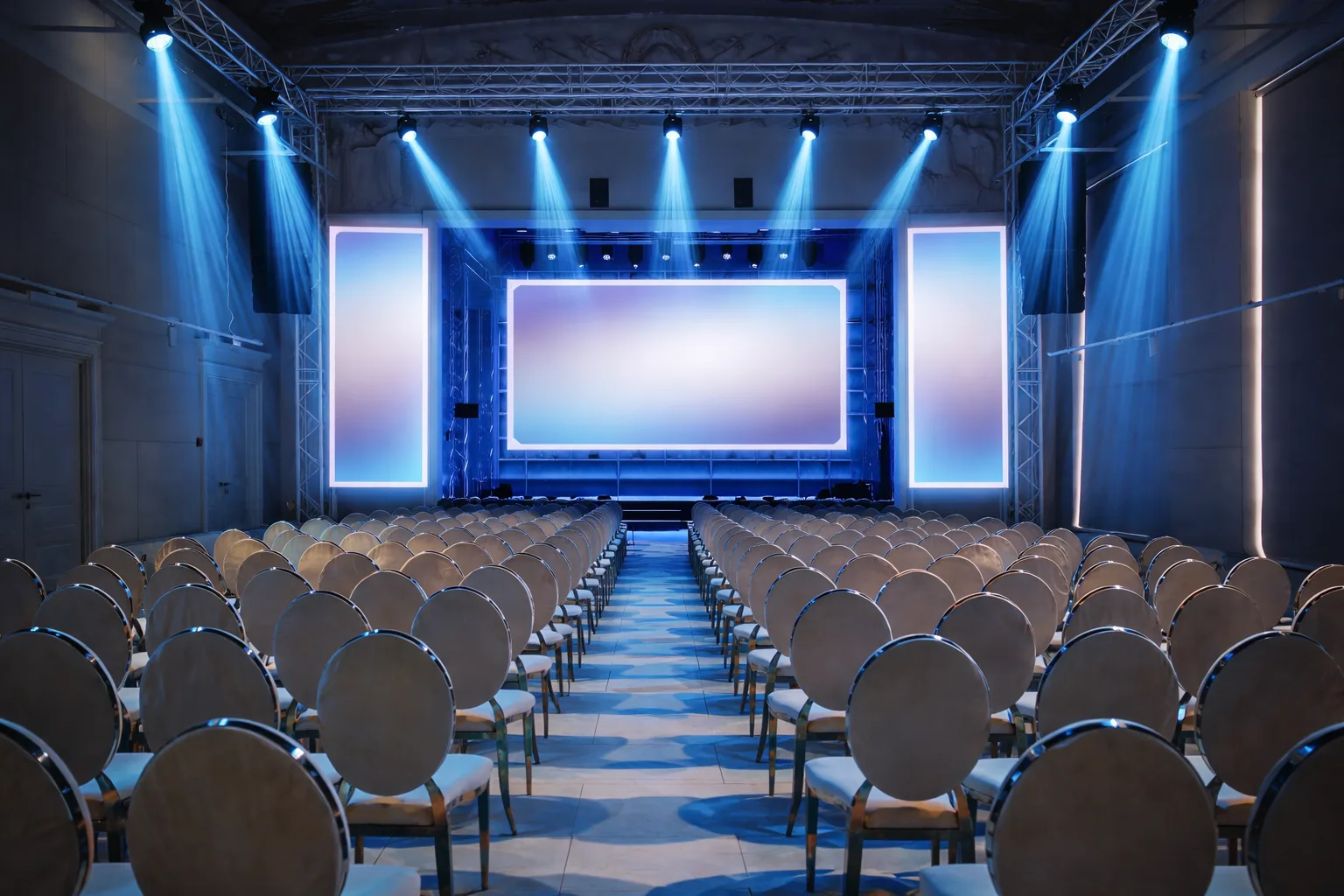
Forum networking can't be reduced to "talk to a coffee break." Participants walk out of different sections, look for acquaintances, queue for drinks, and often only talk to colleagues. To make a break for new contacts, the organizer predetermines the purpose of dating, zones, and an easy way to continue the conversation after the event.
At Culture Palace, the main hall hosts up to 500 conference attendees in theatre-style seating, the individual halls are parallel sections, and the 400 m² foyer is used for registration, coffee breaks and exposure. The total capacity of up to 1,000 relates to several halls and streams, so networking should be counted by the actual transitions between them.
Formulate the result of acquaintance
A useful contact isn't just a business card exchange. For an industry forum, the result could be a customer-supplier meeting, a partner for a project, or a practice exchange between professionals, pick one or two scenarios and explain them to participants before the break.
In the registration form, you can ask who the person wants to meet and what they are willing to discuss, do not collect unnecessary personal data, just the topic, role and consent to be included in the communication format.
Separate the areas according to the duration of the conversation
| Zone. | Format | Expected time | What to prepare |
|---|---|---|---|
| Quick acquaintances | A short standing meeting | One question. | Theme and timer |
| Thematic tables | Industry conversation | One block break. | Moderator and plaque |
| lounge | Continuation of dialogue | By arrangement. | Places and silence |
| Consultation | Meeting with a specialist | Recorded. | The grid and the responsible |
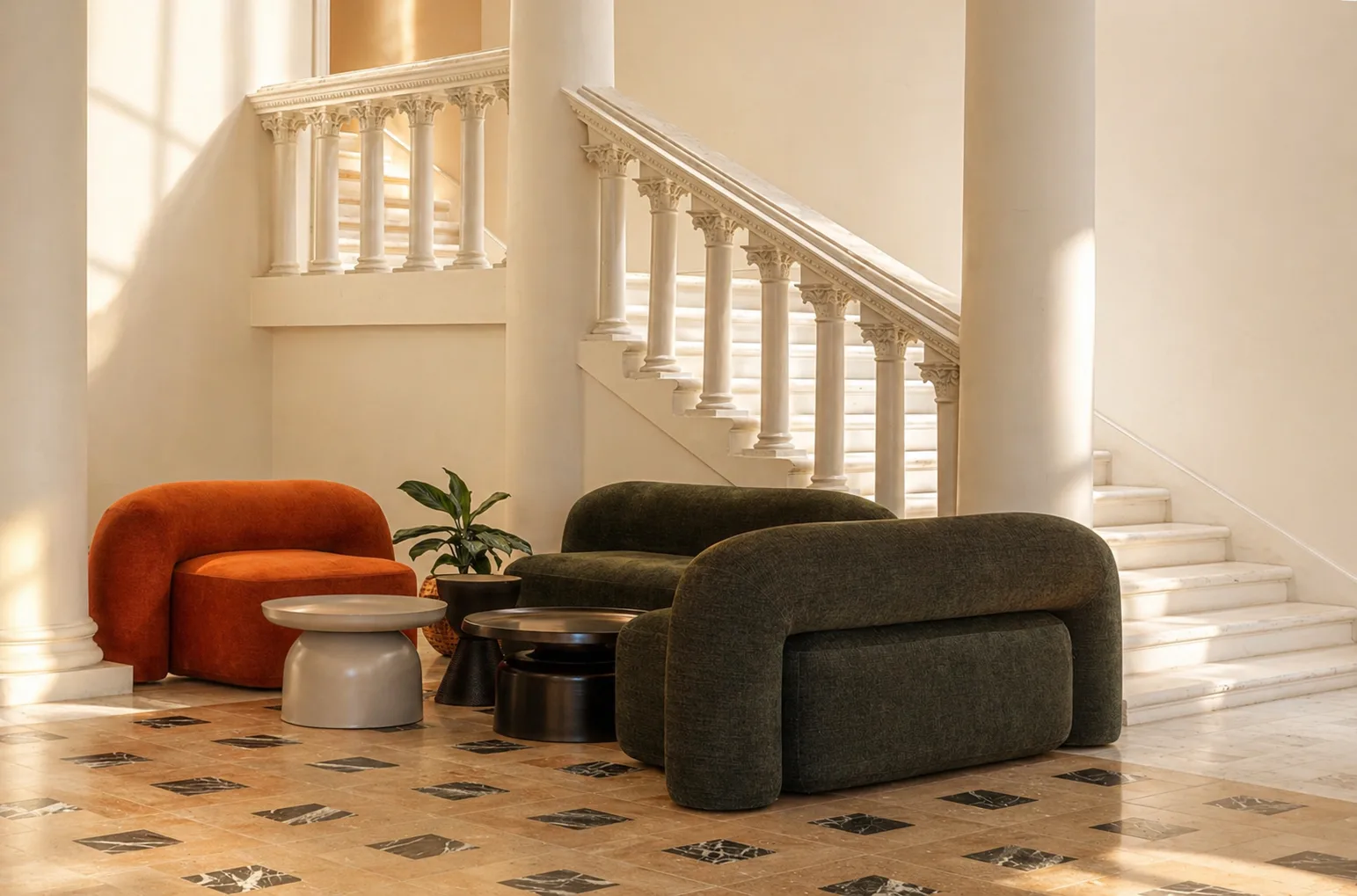
Tall tables are good for a short conversation, upholstered furniture is good for a sequel. If you don't designate the destination, the most comfortable seats will take up a long time, and the fast flow will remain in the aisles.
Link networking to sections
Each session may end with a question that the participants discuss in the foyer, where the host names the theme area and the start time, so that the person has a reason to approach an unfamiliar group, and the conversation continues the content of the forum.
Don't let all the halls out at the same time unless the bottlenecks are calculated. A few minutes of shifting between sections reduces the intersection between the stairs and the service. The specific interval is determined by routes and rehearsals, not by the universal norm.
Don't mix transit and stoppage
Separately mark the path to the next section, the food area and the places to talk. The person who is rushing to the hall should not pass through the group at the theme table. The moderators are inside the zone, not at the fork.
The individual entrances of the halls help separate parallel programs, and in general assembly, participants need a single navigation: the same track names on the badge, in the program and on the pointers.

Record the continuation.
Networking doesn't end with the announcement of the next report. Give the participant an easy way to keep in touch: an agreed-upon data exchange, a QR on the event profile, or an appointment for the next meeting. The channel must comply with the organizer's data processing policy.
After the forum, evaluate the process without making up metrics: which zones were used, where the wait arose, which topics took more time, and which routes crossed, which are the grounds for the next scheme, not the proof of business results.
Have a break rehearsal
- Walk from every hall in the foyer.
- Place thematic points and check the visibility of the names.
- Simulate the simultaneous release of two sections.
- Check the food queue and free transit.
- Work out the invitation of the leader in the communication zone.
- Check how to exchange contacts and return to the program.
When designing, take advantage of opportunities Culture Palace Forumconfigurations halls variants businessmanshipNetworking becomes part of the program when the participant has a clear goal, a suitable place and the next step after the conversation.
We'll discuss your event.
The date, the number of guests and the program will help to choose the configuration of the site and prepare the calculation.
Contact the Culture Palace team